
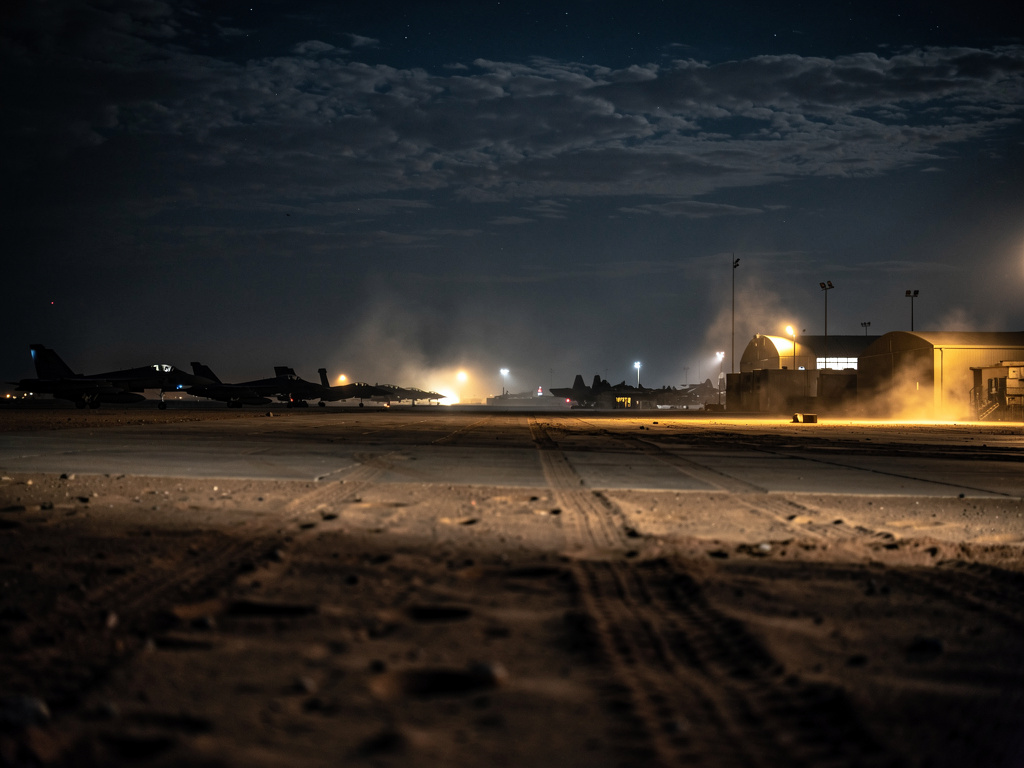
US airstrikes in Syria mark vengeance against ISIS targets
The United States conducted more than 70 airstrikes against ISIL targets in Syria on December 20, 2025, as officials described a 'declaration of vengeance' for a deadly attack on U.S. soldiers the prior week, signaling a hardline counterterrorism response. The strikes targeted ISIS command and logistics hubs, training camps, and infrastructure across several provinces, with U.S. authorities stressing precision and reiterating that operations would continue as part of a broader counterterrorism mission. Al Jazeera English cited officials and described the move as a significant escalation in the U.S. military's involvement in Syria amid ongoing regional security concerns and international reactions.
Background & Context
In the Syria news landscape, ISIS (also known as ISIL/Daesh) has been a central focus of U.S.-led air operations since 2014, as the coalition sought to dismantle a violent insurgent movement and suppress local extremist networks that once controlled pockets of territory across several governorates; over years, airstrikes and allied operations aimed to disrupt revenue, supply lines, and recruitment while preventing a return to safe havens along major routes and border areas. By 2025, the group had lost much of its territorial holdings but continued insurgent activity, shifting from large-scale battles to a persistent threat that complicates stabilization, humanitarian access, and regional security calculations, with sleeper cells and hit-and-run operations challenging authorities as civilians seek relief and orderly governance amid a fractured security landscape. The December 2025 strikes followed a deadly attack on U.S. personnel and underscore ongoing security concerns in the Syrian theater, where the interplay of the Syrian regime, international coalitions, local militias, and remnants of extremist networks sustains a volatile environment that keeps U.S. DoD planners and allied forces vigilant and prepared for contingencies. This background helps readers understand how a long-running counterterrorism campaign, evolving regional dynamics, and external involvement have produced a context in which continued counterinsurgency operations remain a core feature of the military footprint in Syria and a barometer for broader geopolitical tensions.
Key Developments & Timeline
- Last week: deadly attack on US soldiers in the region. The dataset notes that details were not provided, but the incident prompted heightened security concerns and a rapid regional response. According to Al Jazeera English, the event drew substantial attention from Syria-focused outlets, with coverage described under Syria news as a significant security development affecting US personnel and regional stability. This entry underscores the volatile security context in the Middle East and the sensitivity around reporting such incidents in Syria and adjacent areas.
- December 20, 2025: US conducts more than 70 airstrikes against ISIS targets in Syria. The operation is described as a declaration of vengeance for the deadly attack on US soldiers the previous week, signaling a notable escalation in US military activity within the region. Source: Al Jazeera English. The scale—over 70 strikes—highlights a major continuation of military operations in Syria and the broader Middle East, with potential implications for regional security dynamics and humanitarian considerations. This development is documented as part of ongoing Syria news coverage and reflects the persistent risk environment forUS forces and allied personnel in the area.
Official Statements & Analysis
U.S. officials described the December 20, 2025 airstrikes against alleged ISIL targets in Syria as a 'declaration of vengeance' for a deadly attack on U.S. soldiers the previous week, a characterization echoed by Syria news outlets like Al Jazeera English and underscored by a broader briefing that framed the operation as the opening gesture in a sustained campaign against terrorist networks, not a one-off strike. The briefing notes that the campaign involved 'more than 70 strikes' across multiple sites, suggesting a deliberate, widespread escalation intended to degrade ISIL capabilities, while signaling to regional actors—both state and non-state—that the United States is ready to escalate military pressure if threat levels persist or expand.
Analysts argue these statements matter because they shape military strategy and risk calculus in a volatile theater, potentially affecting regional stability, travel advisories, humanitarian corridors, and energy security; they also heighten the obligation for governments and civilians to develop contingency plans for displacement and rapid repatriation of essential documents. In the near term, credible official statements and data updates from Syria news sources will be crucial for assessing whether the rhetoric translates into sustained action, as regional dynamics, including any shifts in the broader security landscape, could influence risk categories such as military escalation and regional instability.
Conclusion
Recent events in Syria illustrate how regional security dynamics can shift rapidly, as on December 20, 2025 the United States conducted more than 70 airstrikes against ISIL targets described as a "declaration of vengeance" for a deadly attack on U.S. soldiers, signaling a marked intensification of counterterrorism operations. The main takeaway is to rely on credible official statements, to monitor defense capabilities and regional stability, and to assess how such escalations could affect travel advisories and critical supply chains in and near Syria. For individuals and communities, this underscores the importance of preparedness—keeping essential documents and supplies current, watching for humanitarian corridor updates, and considering energy and fuel security if instability widens, while staying informed about syria news and related developments. Looking ahead, the outlook remains uncertain, but an emphasized approach to preparedness, flexible contingency planning, and ongoing risk assessment will help navigate future operations and potential shifts in regional security.
Survival Ponchos & Rain Gear – Lightweight outerwear to keep you dry and agile.
Stress Balls / Therapy Tools – Small, silent, and soothing — reduce tension without meds or noise.
Related: Russia Troop Withdrawal Sparks Tensions Amid Ukraine Conflict
Related: Cook Islands Faces Geopolitical Crisis Amid China Shift