
Russia-Ukraine War: Ukraine Hit, Power Grids Down
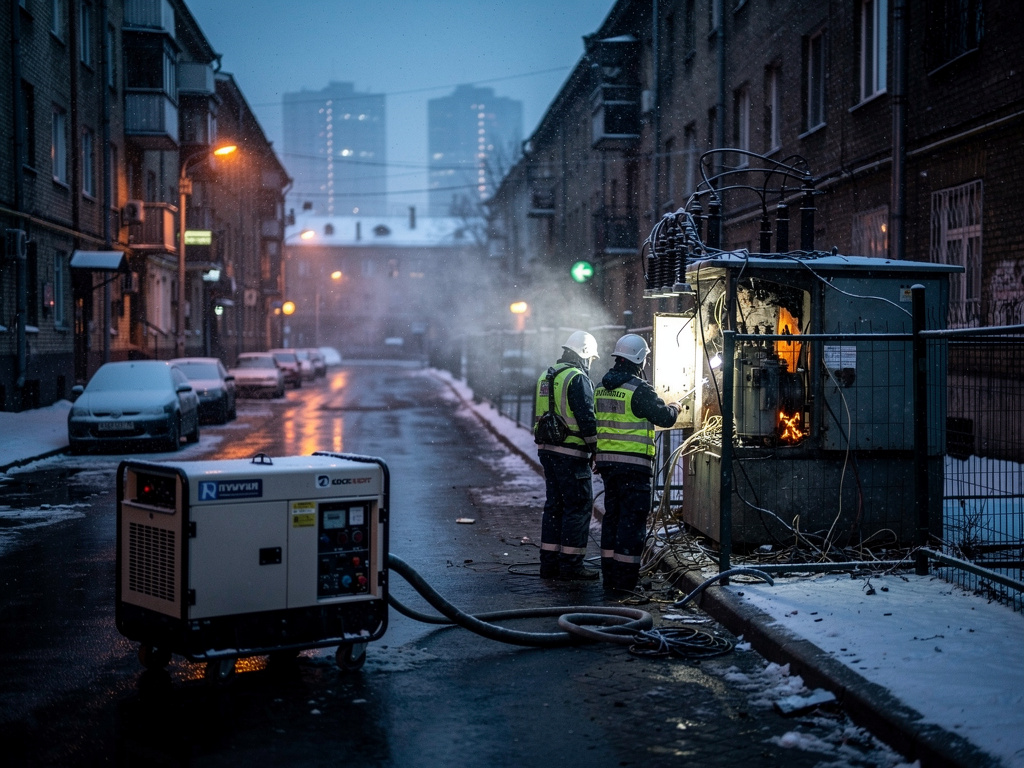
The Russia-Ukraine war escalated Friday as Russian attacks killed at least three people, including a four-year-old child in the Zhytomyr region, and sparked emergency power outages in Kyiv and surrounding areas after strikes on energy facilities, interrupting heat and water services for residents. Ukrainian President Volodymyr Zelenskyy said dozens were wounded as infrastructure damage disrupted the capital and regional centers, while authorities worked to restore power and assess damage to hospitals and schools. The strikes came two days after U.S.-led peace talks in Miami, underscoring ongoing volatility and the humanitarian toll on civilians and energy networks, as both sides face mounting pressure over civilian casualties with no immediate attribution announced.
Background & Context
In the ongoing Russia-Ukraine war, the conflict has been defined by recurrent strikes against civilian and energy infrastructure, a pattern that heightens humanitarian needs, disrupts daily life, and forces Kyiv, Moscow, and international partners to continually recalibrate security and economic strategies as battlefield realities unfold and influence regional political dynamics, complicating the allocation of humanitarian aid, fuel supplies, and civilian protections across affected areas. The latest incident follows the conclusion of US-led peace talks in Miami two days earlier, illustrating that diplomatic channels remain active even amid fighting, with negotiators seeking terms that could reduce hostilities, safeguard critical energy networks, protect civilian infrastructure, and lay groundwork for a longer-term political settlement that reassures allies and stabilizes the region. Ukraine reports disruptions to power supply as a result of strikes on energy facilities, a development that strains civilian resilience, triggers emergency responses, complicates industrial activity, and prompts assessments of energy diversification, resilience investments, and cross-border coordination to maintain electricity access for households, hospitals, and essential services under ongoing security pressure. As the security environment stays volatile, international actors monitor the incident within the broader war context, balancing humanitarian relief, energy security, and diplomatic engagement while reinforcing mechanisms for aid, reconstruction, and monitoring, with observers warning that continued volatility could produce ripple effects on neighboring economies, energy markets, and long-term prospects for peace.
Key Developments & Timeline
-
December 21, 2025: In the context of the ongoing Russia Ukraine war, US-led peace talks conclude in Miami, marking a notable milestone in diplomatic efforts to negotiate a settlement amid a fragile security environment. The talks reflect continued international focus on de-escalation and a complex dynamic within the broader Russia geopolitical conflict and evolving Russia-NATO tensions. Analysts caution that while the diplomatic process is renewed, it does not eliminate the military dimensions of the conflict.
-
December 23, 2025: Russian attacks target Ukraine, producing casualties and energy disruptions as reported by President Zelenskyy. The strikes underscore the persistence of conflict-related disruption to civilian life and to Ukraine’s energy infrastructure, with emergency outages affecting key facilities and services across the country in the immediate aftermath of the Miami talks’ conclusion.
-
According to Ukraine authorities, at least three people were killed, including a four-year-old child in the Zhytomyr region, with dozens more wounded as a result of the attacks. The Ukraine Energy Ministry confirms emergency power outages in Kyiv and surrounding regions after strikes on energy facilities, illustrating the wide reach of the assault on energy infrastructure amid the war.
-
Investigations are ongoing with no immediate attribution. Russian and Ukrainian intelligence channels are among the lines of inquiry as authorities assess evidence and potential involvement, reflecting the ongoing difficulty of attributing actions within the Russia Ukraine war while diplomatic channels remain active.
-
Regions affected: The Zhytomyr region, the Kyiv region, and Ukraine-wide energy infrastructure bear the impact of the latest strikes, highlighting how localized violence can have national-scale consequences in the current security landscape.
Official Statements & Analysis
Across the Russia Ukraine war, Russian strikes on Ukraine's energy network have killed at least three people, including a four-year-old child in the Zhytomyr region, while emergency power outages are reported in Kyiv and surrounding areas as attacks on critical facilities disrupt the grid. Ukrainian officials reported dozens wounded and noted that authorities had not yet attributed responsibility for the latest strikes, a pattern that complicates risk assessments for civilians, humanitarian workers, and regional partners who must anticipate shifting security postures. The timing—two days after US-led peace talks concluded in Miami—highlights the ongoing volatility of the conflict and the way battlefield events intersect with diplomacy and energy security, reminding observers that the conflict's toll extends beyond the front lines and into daily life, infrastructure reliability, and the resilience of urban systems.
From a risk-management perspective, authorities and communities should prepare for continued air and missile strikes and electricity outages by ensuring multiple communications channels, backup power or generators where feasible, stockpiling water and non-perishable foods, identifying safe rooms, and monitoring official advisories for shelter locations and curfews; the absence of immediate attribution does not eliminate the need for robust readiness, as civilian harm and infrastructure disruption remain central to the humanitarian impact of the conflict. Analysts also expect that ongoing diplomatic efforts, even when not yielding immediate solutions, will influence security policies, energy resilience planning, and international aid flows, underscoring the importance of integrating civilian protection, infrastructure risk and energy security risk into local and regional response strategies.
Conclusion
In the Russia Ukraine war context, this week's attacks in Ukraine that killed at least three people, including a four-year-old child in the Zhytomyr region, alongside emergency power outages in Kyiv caused by strikes on energy facilities, highlight the ongoing volatility and humanitarian toll of the conflict. The strikes come just two days after US-led peace talks concluded in Miami, underscoring how diplomacy, civilian protection, and energy security remain tightly interwoven as the situation evolves. For residents and authorities, preparedness remains essential: maintain multiple communications channels, secure backup power or generators where feasible, stockpile water and non-perishable food, identify safe shelter options, and monitor official advisories for curfews or shelter locations. Looking ahead, the trajectory will depend on whether diplomacy yields verifiable steps to reduce civilian harm and stabilize critical infrastructure, or whether renewed hostilities and retaliatory actions escalate. In any case, energy resilience and humanitarian access will shape public safety and regional stability as the conflict persists.
Bushcraft Axes – Cut, split, survive — a good axe makes outdoor life manageable.
Ballistic Eyewear – Protect your vision during chaos — check out shatterproof field glasses.
Related: US and Ukraine Sign Strategic Minerals Deal to Boost Reconstruction
Related: UN Conference on Israeli-Palestinian Conflict Scheduled for July 2025