
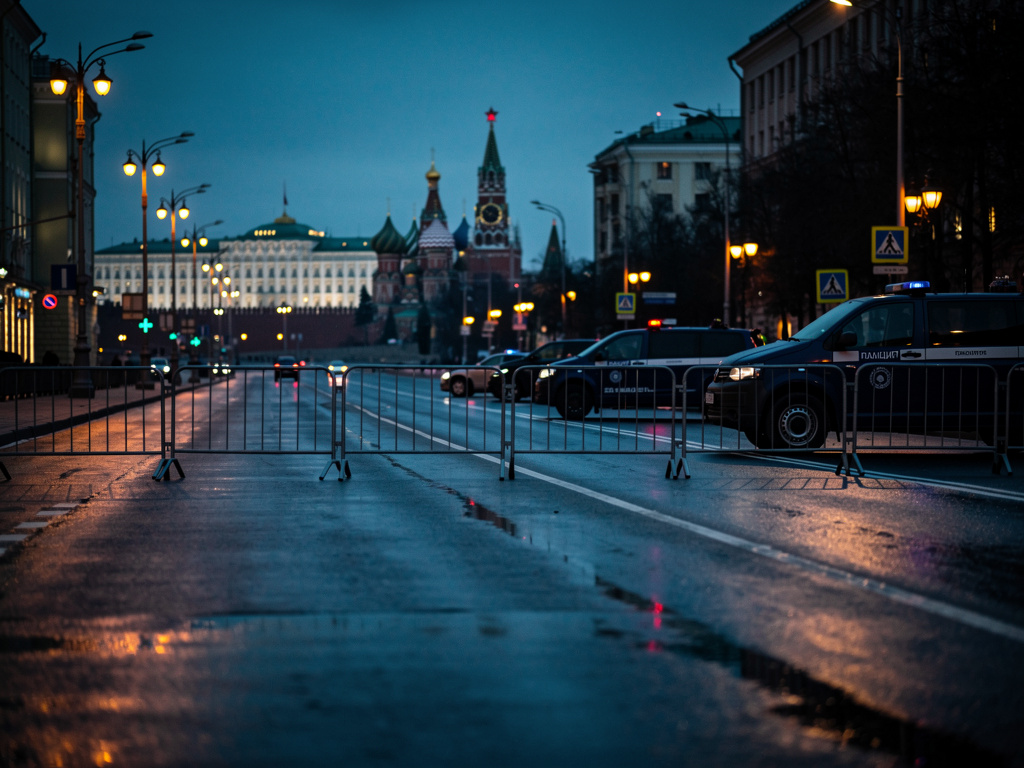
Ukraine Kills Russian General in Moscow, Russia Ukraine War Escalation
In the Russia Ukraine war, Ukraine is accused of killing a top Russian general in Moscow, an act analyst Marina Miron of King’s College London describes as irregular warfare and a direct message to Russia’s senior military leadership amid a broader struggle for strategic signaling. Al Jazeera English reported on December 23, 2025, framing the strike as a calculated move intended to expose vulnerabilities in Moscow’s command-and-control apparatus and to escalate pressure on Russian defense planners. The development highlights how external actors are using highly targeted actions to shape battlefield calculations and compound the risk of miscalculation in an already fragile security environment.
Background & Context
The Moscow incident unfolds within the ongoing Russia Ukraine war and a tense security environment shaped by persistent diplomatic exchanges, escalating sanctions and export controls, a dense layer of intelligence assessments, and a steady cadence of military drills across the region, all of which influence regional stability, alliance calculations, and the global narrative surrounding the conflict. Al Jazeera English reported on December 23, 2025 that a high-ranking Russian military officer was killed in Moscow, and analysis by Marina Miron of King’s College London framed the act as irregular warfare and a direct diplomatic or psychological signal from Ukraine, suggesting a strategic move to alter the war’s momentum beyond conventional battlefield activity and raises questions about escalation control as actors weigh risk in a volatile security environment. The data available do not disclose the victim’s identity or rank, nor broader casualty figures, underscoring the sensitivity of attribution in a conflict where state actors and intelligence services operate in a dense information environment and where public diplomacy intersects with covert operations, complicating accountability and how international partners calibrate responses. Viewed in this context, the incident may influence assessments of Russia’s military posture and deterrence calculus, potentially affecting crisis-management protocols, diplomatic signaling, and policy debates surrounding Russia-NATO tensions, while analysts and policymakers scrutinize how Kyiv’s signals are interpreted by allies and adversaries as the war persists and this dynamic informs how international mediation efforts, sanctions regimes, and military readiness planning evolve in the near term.
Key Developments & Timeline
On December 23, 2025, in Moscow, Russia, the killing of a top Russian general was reported, an incident framed by some analyses as irregular warfare and described as a direct message to Russia’s military leadership. This event sits within the broader Russia Ukraine war narrative and signals heightened volatility in Moscow’s security environment. The framing pointing to Ukraine as the actor contributes to discussions about Russia military posture and how external actions may influence internal command dynamics. Observers also consider potential implications for Russia NATO tensions and the regional deterrence landscape, given the ongoing proximity of the conflict to Western security architectures. While officials have not issued a formal threat assessment, the threat level remains unclear as investigations proceed, leaving room for additional developments and policy responses. Coverage from Al Jazeera English situates the incident within the Russia war news cycle and the Russia Ukraine war latest update, highlighting its significance for both domestic messaging and international diplomacy. The event may influence how leadership communicates with the armed forces, how security services recalibrate counterintelligence priorities, and how regional actors assess risk and readiness in the near term. In the broader context of Eastern Europe security, analysts will watch for shifts in military signaling, public narratives, and potential repercussions for ongoing diplomatic engagements connected to the Ukraine conflict.
Official Statements & Analysis
In the Russia Ukraine war context, Al Jazeera English reports Ukraine’s killing of a Russian general in Moscow is framed by analyst Marina Miron as irregular warfare and a direct message to senior Russian military leaders. The statement quotes Miron: "This [killing in Moscow] is a mode of warfare which would be referred to as, quote-unquote, irregular." It adds: "The killing of a top Russian general is a ‘direct message’ to senior Russian military leaders from Ukraine, says Marina Miron." The incident, set in Moscow on December 23, 2025, signals an on-the-ground strike with high political symbolism, reinforcing the perception that the conflict has extended into urban and elite military circles beyond conventional battlefield fronts.
Analysts view these quotes as indicators of how irregular tactics function as psychological signaling within the broader war framework, with potential implications for Russia NATO tensions and Western deterrence calculations. Such messaging can influence security postures, crisis diplomacy, and risk assessments by increasing perceived vulnerability among senior commanders and prompting tighter protective measures. While the event remains non-nuclear, it intersects with ongoing debates about nuclear deterrence and crisis stability, as leaders weigh responses, escalation risks, and the resilience of command-and-control in a protracted conflict tied to the broader Russia Ukraine war narrative. This underscores the importance of vigilant risk monitoring and clear communication strategies among allied partners.
Conclusion
The Russia Ukraine war has again entered a phase marked by high-profile violence, as Al Jazeera English reports that Ukraine’s killing of a Russian general in Moscow is framed by analyst Marina Miron as irregular warfare and a direct message to senior Russian military leaders about the strategic signaling that accompanies violent incidents. This event underscores how geopolitical risk and psychological warfare can influence strategic calculations beyond conventional fighting, with potential implications for military security and Russia NATO tensions that shape alliance cohesion and risk assessments across capitals. Because the provided data offers no formal future outlook, observers may infer that escalation risks could influence future operations, diplomatic messaging, and the tempo of security-policy shifts, underscoring the need for prudent risk assessment and resilient defense planning in the Russia Ukraine war landscape as events unfold. Ultimately, the incident highlights the ongoing relevance of non-military tools in shaping security outcomes and the importance of credible deterrence, robust diplomacy, and transparent communication to manage volatility, with ongoing coverage serving as a guide to the Russia Ukraine war latest update.
Cooking & Mess Kits – Eat well anywhere — explore compact mess kits designed for mobile prepping.
Prepper Survival Books – Fundamental survival knowledge in a format you can keep offline.
Related: Russia Escalates Ukraine Conflict with Major Missile Strikes
Related: Russia Launches Deadly Retaliatory Strikes on Kyiv Following Operation Spiderweb