
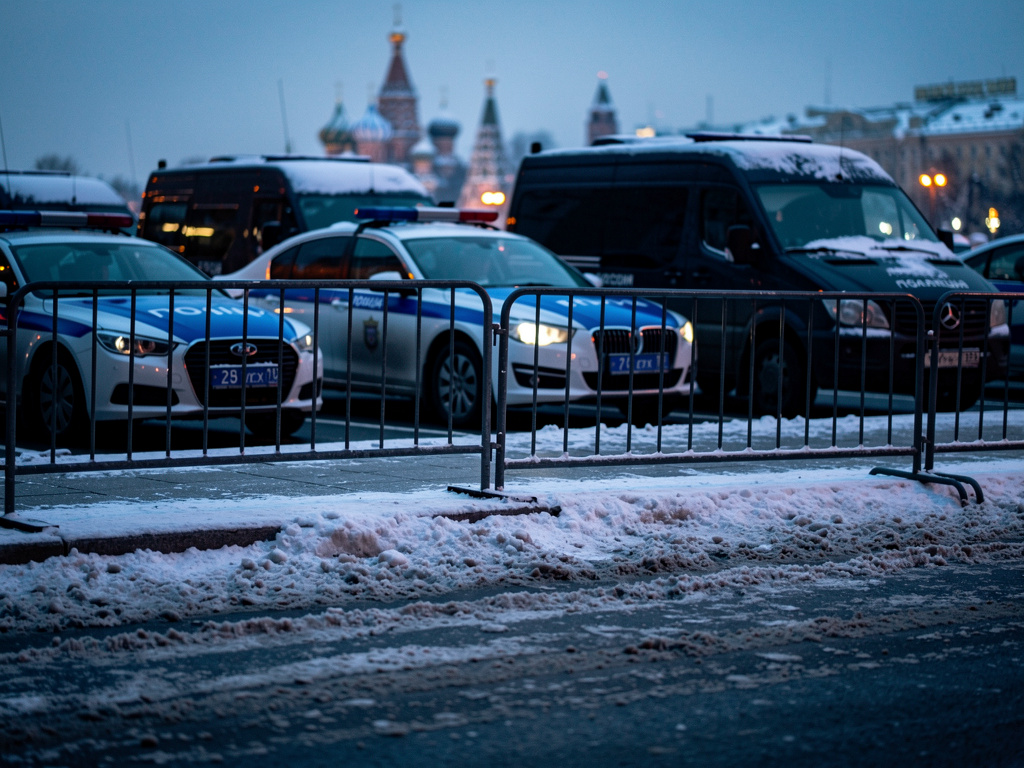
Russia Ukraine War Deepens as Moscow Car Bomb Kills General
Russia Ukraine War tensions intensified after a car bombing in Moscow on December 22, 2025, that killed a Russian general and raised questions about internal security protocols, intelligence coordination, and the risk of further strikes. Authorities say they are examining whether Ukrainian special services were involved, a line of inquiry that could shape the conflict's security dynamics, influence external support to various factions, and complicate any future diplomatic attempts to de-escalate. The Al Jazeera English report underscores the fragility of Russia's security situation, the sensitivity of cross-border actions, and the potential for escalation as investigators review evidence, coordinate with regional partners, and weigh domestic political implications for Russia's military posture.
Background & Context
- In Moscow, amid ongoing tensions in the Russia-Ukraine security environment and the broader Russia Ukraine war, authorities describe a security-focused incident that reflects persistent risk at the intersection of Russia military posture, political signaling, and counterintelligence activity. The situation unfolds against a backdrop of regional volatility, regular drills, and diplomatic exchanges that keep Moscow, Kyiv, and international partners under close scrutiny.
- The available data specify that the rank of the victim and the identity of the general remain undisclosed, and details about other casualties or suspects are not provided beyond noting an investigation into Ukrainian involvement. This limited information highlights the sensitivity of the case and the caution surrounding attribution in a tense security environment.
- Previous attempts at diplomacy are not available in the supplied information, but the incident sits within a continuing continuum where peace talks and international mediation seek to manage friction between Russia and Ukraine. Analysts monitor how such events influence confidence in diplomatic channels and the willingness of outside actors to engage.
- Among the important actors, an unnamed Russian general (rank not specified) and Ukrainian special services are mentioned as involved or suspected, illustrating the enduring role of state actors and intelligence services in the Russia-Ukraine conflict. The description emphasizes layered security challenges rather than a single operational incident.
- This episode underscores the fragility of the regional security environment and may shape policy considerations on deterrence, military readiness, and escalation risk. As tensions persist, observers examine potential impacts on Russia NATO tensions and broader strategic calculations within the Russia Ukraine war context, including debates about nuclear deterrence and posture.
Key Developments & Timeline
On December 22, 2025, in Moscow, Russia, a car bombing resulted in the death of a Russian general, marking a high-profile incident within the broader Russia Ukraine war and signaling a potential shift in internal security dynamics. The investigation is actively examining whether Ukrainian special services were involved, underscoring the risk of external influence on Moscow’s leadership and the volatility of the regional security environment. While officials have not publicly specified a definitive threat level, the situation is understood to be assessed as unclear, leaving room for additional developments and policy responses. Media coverage from Al Jazeera English frames the event as a significant incident with potential implications for military tempo, command resilience, and the broader conflict narrative. In the wake of the attack, analysts and policymakers are evaluating how such incidents might affect Russian military posture, security planning, and messaging to both domestic audiences and international partners, including prospects for Russia NATO tensions and regional deterrence calculations. The incident is also referenced in the Russia Ukraine war latest update discussions as part of ongoing coverage of how the conflict evolves on multiple fronts. This development contributes to broader questions about escalation dynamics, information warfare, and the resilience of command and control structures in Russia, with potential ramifications for future security policy and diplomatic signaling in Eastern Europe.
Source: Al Jazeera English report.
Official Statements & Analysis
In the context of the ongoing Russia Ukraine war, Al Jazeera English reports: "A Russian general was killed in a car bombing in Moscow on December 22, 2025, with authorities investigating possible involvement by Ukrainian special services." If confirmed, this high-profile attack would represent a rare instance of on-soil violence against a senior Russian military commander and could recalibrate Moscow's security posture, prompting tighter protection of key facilities and a reevaluation of risk assessments amid continuing peace talks.
Geopolitically, the incident intensifies the assassination/terrorism and military security risk categories and may influence how Russia NATO tensions and Western allies calibrate deterrence, alliance readiness, and diplomatic signaling as the war enters a protracted phase. The event also intersects with broader debates about Russia's nuclear posture and regional stability, suggesting policymakers should monitor questions such as what is Russia's nuclear doctrine while evaluating the potential implications for nuclear deterrence and crisis diplomacy, and how these dynamics could affect risk assessments in the near term.
Conclusion
The assassination of a Russian general in a Moscow car bombing on December 22, 2025, with authorities investigating possible involvement by Ukrainian special services, underscores the ongoing volatility of the Russia Ukraine war and the security risks surrounding high-profile political violence. The incident elevates concerns about military security and regional stability, with potential ripple effects on decision-making within Moscow and across allied capitals. Analysts will watch whether results from this event influence Russia's nuclear deterrence posture or the broader balance of Russia NATO tensions in the near term. Because the provided data does not include a formal outlook, the near-term trajectory remains uncertain, but risks tied to assassination, political risk, and security volatility are likely to shape discussions of future operations and defensive planning. In the coming weeks, observers will seek signals from official investigations and diplomatic messaging to gauge escalation or de-escalation trends. This development reinforces the need for robust intelligence-sharing and stable diplomatic channels to manage regional resilience and global security in an era of evolving threats.
Gorilla Tape – Stronger than regular duct tape — Gorilla Tape holds fast in the worst conditions.
Zip Ties (Heavy-Duty) – Fasten, lash, or improvise repairs — industrial zip ties that hold under pressure.
Related: Ukraine Strikes Kirishi Refinery as Russia Tests Zircon Missile Amid NATO Airspace Breaches
Related: Over 50 Palestinians Killed Amid Gaza Ceasefire Stalemate