
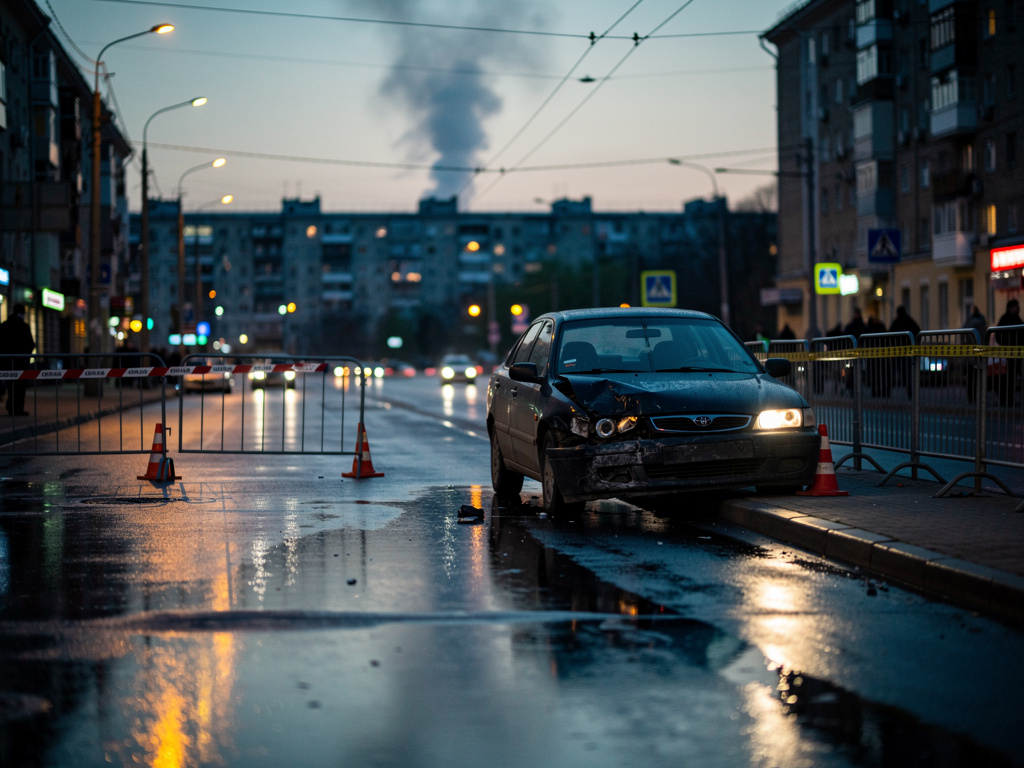
Car Bomb Kills Russian General During Russia-Ukraine War
The car bomb on Yaseneva Street in Moscow on 22 December 2025 killed Lt Gen Fanil Sarvarov, head of the operational training directorate of the Russian General Staff, and the driver, in the context of the Russia-Ukraine war. Russia attributes the assassination to Ukrainian intelligence services, while Ukraine has not claimed responsibility; Dmitry Peskov called it a "terrible murder." This marks the third bombing in Moscow in a year targeting senior officers linked to the invasion, as Russia-U.S. diplomacy in Florida seeks to end the war and maintain security in the region, with observers warning of potential security repercussions and shifts in alliances.
Background & Context
- In the Russia Ukraine war, Lt Gen Fanil Sarvarov oversaw combat training and readiness for Russia's operations in Ukraine, making him a high-profile target; this emphasis on leadership-level roles reflects how strategic command structures are often targeted in modern conflict dynamics.
- The attack is part of a pattern of high-profile strikes against Russian military leadership, a sequence that includes the December 2024 killing of Lt Gen Igor Kirillov, for which Kyiv claimed responsibility, signaling continued clandestine operations and retaliatory capabilities.
- Moscow has cited ongoing Ukrainian intelligence services operations and clandestine resistance as threats, portraying the environment as a security contest where foreign-backed disruption seeks to degrade Russian war efforts.
- The incident unfolds as diplomatic talks in Florida between Moscow and Washington aim to formalize a diplomatic track to end the war, with discussions continuing but no breakthroughs reported in the available material.
- The case features a mix of actors and institutions, including Dmitry Peskov, Andrey Kolesnik, and pro-war blogger Starshe Eddy, alongside Ukraine’s intelligence services, Volodymyr Zelensky, and the Moscow Investigative Committee, highlighting the political and security stakes attached to attribution and response.
- The broader context ties to the ongoing Russia–Ukraine conflict and its geopolitical implications, where international diplomacy, media narratives, and security investigations intersect, shaping how leaders, intelligence assessments, and investigative bodies respond to incidents.
- Public reaction data is not available in the provided source, but the incident underscores ongoing concerns about sovereignty, foreign influence, and the resilience of security networks in the region.
Key Developments & Timeline
-
December 2024 — Ukraine claims responsibility for the assassination of Lt Gen Igor Kirillov, a senior figure within the Russian military leadership. This incident unfolds within the broader Russia Ukraine war context and has shaped assessments of security vulnerabilities facing Moscow’s defense establishment. Analysts frame it as part of a pattern of targeted actions against high-ranking officers tied to the invasion, contributing to ongoing discussions about Russia NATO tensions and the security environment surrounding Russia’s military posture.
-
Past year — A series of high-profile attacks against Russian military leadership in Moscow underscores persistent threats to command structures and raises questions about protection for senior officers amid the Russia Ukraine war. The pattern has contributed to heightened security and counterintelligence concerns, influencing both domestic policy and international diplomacy as actors monitor regional stability and the impact on Russia’s strategic forces.
-
22 December 2025 — A car bomb on Yaseneva Street in Moscow kills Lt Gen Fanil Sarvarov, head of the operational training directorate of the Russian General Staff, and the driver. Moscow attributes the attack to Ukrainian intelligence investigations, while authorities pursue multiple lines of inquiry. This marks the third bombing in Moscow targeting senior officers linked to the invasion within a year, highlighting ongoing security risks and potential shifts in the regional security dynamic as Russia’s military leadership faces renewed threats. Dmitry Peskov described the killing as a “terrible murder”, amplifying the diplomatic salience of the incident amid Russia-US peace talks in Florida and broader wartime tensions.
-
Ongoing — Russia-US peace talks in Florida continue amid the incident, with no public breakthrough reported. The diplomatic discussions remain a key channel to address security concerns raised by the attacks in Moscow and to pursue potential pathways toward ending the Russia Ukraine war, even as investigations and security assessments unfold on the ground.
-
Late December 2025 — Investigations persist, outlining potential implications for security, diplomacy, and regional stability. The evolving case feeds into ongoing debates about nuclear deterrence, strategic posture, and the broader Russia geopolitical conflict landscape as high-profile assaults on military leadership influence policy responses in Moscow and allied capitals.
Official Statements & Analysis
The quotes framing the incident—"a terrible murder," "We need to identify and eliminate the entire chain of those who carried out the operation," and "Only the destruction of targets on the enemy’s territory can first disrupt the wave of terrorism"—cement a narrative of punitive security responses following the car bomb that killed Lt Gen Fanil Sarvarov, head of the operational training directorate of the Russian General Staff, in Moscow. Russia attributes the attack to Ukrainian intelligence services, while Ukraine has not claimed responsibility. This event marks the third bombing in Moscow in a year targeting senior Russian officers tied to the invasion, and it comes amid ongoing Russia-US discussions in Florida aimed at ending the war in Ukraine. The case echoes the December 2024 assassination of Lt Gen Igor Kirillov, which Ukraine is not said to have claimed, and reactions from officials, including Dmitry Peskov describing it as a "terrible murder," signal heightened security tensions concurrent with diplomacy.
From a security and geopolitical perspective, the statements and the attack highlight escalating risk in the Russia-Ukraine conflict and the potential strain on diplomatic processes. The emphasis on dismantling hostile networks and targets abroad suggests a hardline posture that could affect regional stability and international negotiations, including the Russia Ukraine war latest update. Officials stress monitoring security developments around Moscow and major urban centers, maintaining travel and communications readiness, and staying informed through credible channels, given the possibility of disruptions and retaliatory actions. In this context, credible security advisories and vigilance over political violence remain critical for both governments and the publics navigating this tense period of the Russia military confrontation.
Conclusion
In the Russia Ukraine war, the assassination of Lt Gen Fanil Sarvarov, head of the operational training directorate of the Russian General Staff, in Moscow—and Moscow's attribution to Ukrainian intelligence—highlights how political violence can affect command confidence and the tempo of diplomacy, even as Florida talks seek to end the conflict. Although Ukraine has not claimed responsibility, this incident, alongside a history of attacks on Russian military figures, raises concerns about escalatory dynamics, potential retaliation, and the resilience of leadership networks that could influence future military postures and negotiations amid Russia NATO tensions. For survival-focused readers, the immediate implication is to monitor major urban security developments, verify credible advisories, and maintain readiness for travel or communications disruptions during elevated threat periods, while avoiding high-profile targets and routes commonly used for political violence, and seek official guidance as needed. Looking ahead, investigations are ongoing and could drive retaliatory actions or new security measures, potentially affecting bilateral discussions in Florida and future security calculations around Russia's military posture and regional stability, underscoring the need for vigilance in the broader Russia Ukraine war landscape.
Gorilla Tape – Stronger than regular duct tape — Gorilla Tape holds fast in the worst conditions.
Pet First Aid – Be ready for pet emergencies — grab a vet-recommended first aid kit.
Related: UK Government Faces Fallout From China Espionage Allegations
Related: Gaza Ceasefire Uncovers Disturbing Evidence of Torture