
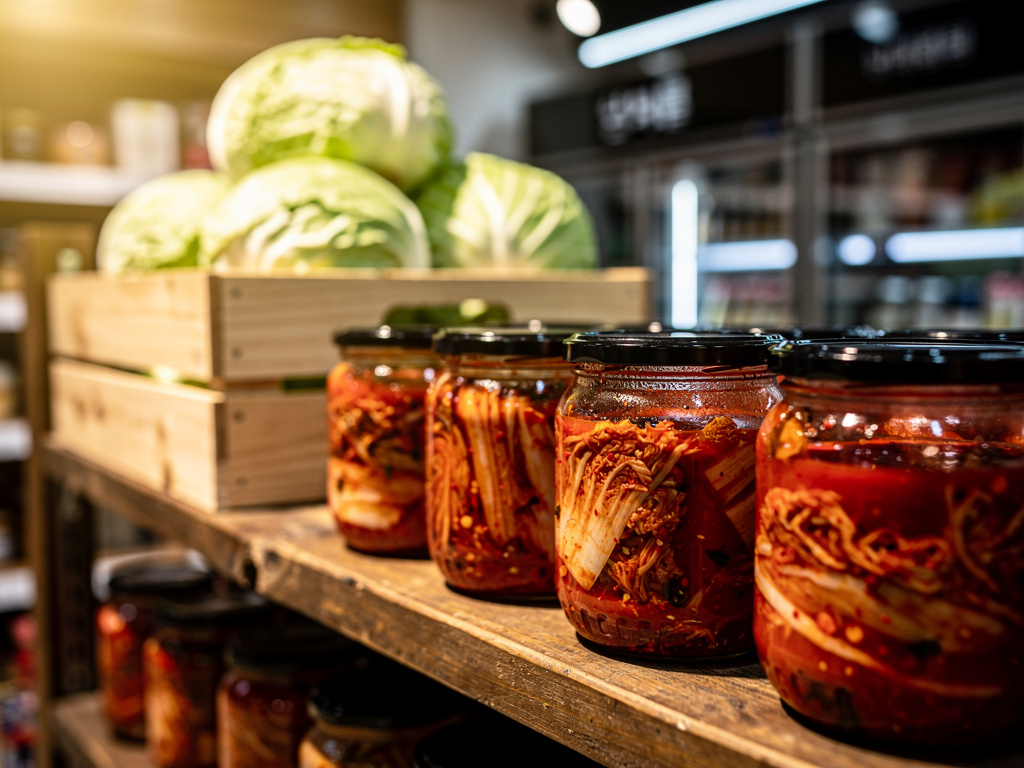
Korean Kimchi Faces Pressure as China Imports Surge
Korean kimchi producers are losing ground as cheaper China imports flood restaurant demand, even as climate-driven cabbage price spikes hit micro-businesses and labor-intensive makers hardest and as consumers shift toward ready-made kimchi and dining out. Industry groups and the government are debating and implementing measures to bolster domestic production, including a voucher program for restaurants to switch to Korean kimchi, a prospective labeling scheme, shelf-life and storage research, and potential tariff adjustments, underscored by concerns about food security, cultural heritage in kimjang (UNESCO-recognized), and resilience of Korea's culinary industries amid a global supply chain.
Background & Context
- Kimchi is Korea’s iconic fermented dish, with hundreds of varieties made from cabbage, radish, and other vegetables. Its production is labor-intensive and concentrated in micro-businesses. The UNESCO-recognized kimjang tradition underscores its cultural importance, while this year’s supply chain pressures—especially climate-driven cabbage price volatility—are compressing domestic producers’ margins as Chinese-made kimchi dominates cheaper segments of the market in the china markets.
- Government and industry groups are pursuing measures to bolster domestic supply, including branding, shelf-life improvements, and export readiness, in order to preserve Korea’s kimchi industry. The agriculture ministry and the Kimchi Association of Korea play central roles in coordinating these efforts.
- Key figures include Kim, the head of the Kimchi Association of Korea, and Jeon Eun-hee, a kimchi factory operator in Hwaseong, who advocate policies designed to stabilize livelihoods for small producers while maintaining quality and traditional methods.
- The public reaction to the market pressures has been modestly reflected in industry statements and policy announcements, with limited consumer backlash but a clear emphasis on economic resilience and culinary heritage amid global competition.
- Placed in a broader regional context, the situation intersects with China’s role in regional supply chains and export markets, highlighting how china markets and trade dynamics can influence domestic pricing, margins, and policy responses for traditional foods.
Key Developments & Timeline
UNESCO recognizes kimjang, the winter kimchi-making tradition, underscoring kimchi's cultural significance in Korea. In china news coverage, this cultural heritage context helps explain ongoing domestic policy aims and the enduring value of traditional food practices.
China supplies the majority of imported kimchi to South Korea, with import value for the first 10 months at $159 million versus $137 million in Korean exports. This cross-border trade dynamic influences market access, pricing, and supplier strategies in both countries.
Cost dynamics show Chinese kimchi is cheaper, at about 1,700 won per kilogram, compared with Korean-made kimchi at roughly 3,600 won per kilogram. Price competition shapes retailer choices, consumer behavior, and the pace of local production adaptation.
Industry structure and climate risk: Most Korean kimchi producers are micro-businesses reliant on labor-intensive processes. Climate disruption is pushing up cabbage prices and complicating production planning, testing the resilience of small-scale enterprises and supply chains.
Consumption patterns shift as single-person households grow since 2000, with rising popularity of ready-made kimchi and restaurant service. These changes affect demand timing, packaging formats, and shelf-life requirements for suppliers and distributors alike.
Policy and industry responses: Government and industry groups are pursuing measures to bolster domestic production, including a voucher program for restaurants to switch to Korean kimchi, potential advance tariff assessments, and initiatives focused on labeling, storage improvements, and shelf-life research.
Regional relevance and logistics: The affected regions include South Korea and China, with urban centers such as Incheon and Seoul and the Hwaseong area playing notable roles in distribution, processing capacity, and market access for kimchi supply chains.
Overall threat level remains low, indicating manageable risks as the industry adjusts through pricing dynamics, policy measures, and evolving consumer preferences within the cross-border kimchi market.
Official Statements & Analysis
Jeon Eun-hee asks, “Should we really be using imported kimchi when this is a food that contains our people’s soul?”, a provocative framing that ties culinary authenticity to national identity as domestic demand confronts a china-driven import flow, highlighting how cultural symbols intersect with international trade. Other quotes emphasize that “Korean kimchi has a unique taste, that cannot be replicated,” and that kimchi is “a food that contains our soul,” underscoring the depth of cultural ownership invested in a dish now circulating in global markets. The remark that “Kimchi has become a world food from Korea, but this makes no sense at all” signals the tension between globalization and sovereignty, as cheaper china kimchi captures restaurant demand and compresses margins for local producers.
Contextual factors include climate-driven cabbage shortages, shifts toward ready-made kimchi and dining-out consumption, and policy responses such as a voucher program encouraging restaurants to switch to Korean kimchi, along with labeling, storage improvements, and shelf-life research to bolster domestic supply against imports and price volatility in the china markets. Together, these quotes and market dynamics reveal risks to food security and the economic vulnerability of micro-business kimchi producers, underscoring the need for resilient supply chains, targeted domestic support, and strategic communication to preserve a culturally significant staple within a global economy.
Conclusion
South Korea's kimchi market is price-pressed by imports from China, with domestic producers losing ground as cheaper China-made products capture restaurant demand. This trend is amplified by climate-driven disruptions to cabbage supply and changing consumption patterns toward ready-made kimchi and dining out, alongside government and industry measures intended to bolster Korean-made kimchi, such as quality standards and domestic sourcing incentives. For survival-minded stakeholders, the case underscores the need for resilient food security and diversified sourcing, including digital traceability, diversified supplier networks, and investment in domestic processing capacity to sustain quality, price stability, and consumer trust. Looking ahead, continued import competition is likely unless domestic production scales up or costs fall, while climate volatility keeps cabbage prices unstable; policy and industry actions may stabilize restaurant demand for Korean-made kimchi, with broader implications discussed in china news about global supply chains, regional trade dynamics, and how brands build consumer trust in a evolving market.
Glow-in-the-Dark Tape – Mark exits, stairs, or trail routes — glow tape makes navigating safe and easy.
Collapsible Pet Bowls – Feed and hydrate pets easily on the move — shop collapsible bowls now.
Related: Bridge Collapses in Russia Linked to Sabotage Amid Rising Ukraine Tensions
Related: US Congress Repeals Sanctions on Syria for Investment