
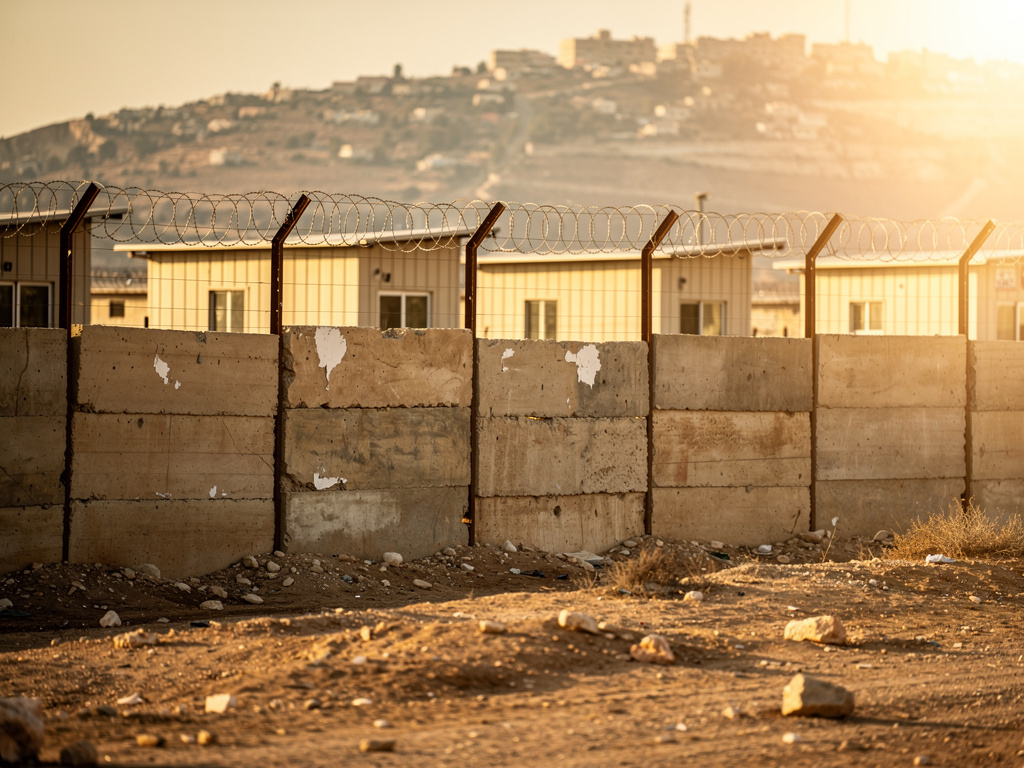
Israel to Keep Gaza Presence, Forge Nahal Outposts Amid Gaza Withdrawal
Israel Defence Minister Israel Katz said Israel will never fully withdraw from Gaza and plans to establish Nahal infantry outposts inside the enclave, signaling a sustained military footprint and a Gaza withdrawal posture. The remarks were delivered as a US-backed peace plan signed in October envisions full withdrawal from Gaza and forbids re-establishing civilian settlements there. In the West Bank, a Beit El housing approval for 1,200 units underscored continued settlement activity while violence persists in both Gaza and the West Bank, illustrating a government agenda focused on practical sovereignty.
Background & Context
The Gaza-Israel conflict escalated in 2023 after Hamas attacks on October 7, 2023, triggering a large-scale Israeli operation in Gaza. A Gaza ceasefire began on October 11, 2023, and a US-backed peace plan signed in October called for a full Israeli withdrawal from Gaza and prohibited re-establishment of Israeli settlements there. In the West Bank, settlement expansion has been a persistent policy issue and has drawn international criticism as illegal under international law. Fatalities on both sides and a high number of Palestinians detained since the start of the war have shaped the current security dynamics, with the 2026 Israeli election cycle adding a political dimension to settlement policy and security posture.
Key Developments & Timeline
Since the 2023 start of the war, violence persists in the West Bank and Gaza, with Palestinian health authorities reporting continuing casualties during the ceasefire period and since the conflict began. The ongoing security operations, clashes, and humanitarian challenges shape daily life in the Gaza Strip and throughout the West Bank, influencing international attention and aid flows.
In October (year not specified), a US-backed peace plan was signed, calling for full Israeli withdrawal from Gaza and forbidding re-establishing civilian settlements there. The framework, if implemented, would reshape security arrangements, border crossings, and humanitarian access; it remains controversial among settlement supporters and opposition parties alike, affecting regional diplomacy and domestic politics.
Beit El housing approvals (1,200 units) illustrate ongoing settlement activity in the West Bank, signaling persistent planning and zoning decisions within the occupied territories. The project underscores tensions between international legal expectations and local policy choices, drawing scrutiny from neighbors, international actors, and the Palestinian authorities.
Plans to establish Nahal outposts in northern Gaza in place of uprooted settlements indicate a policy shift aimed at expanding the foothold in northern Gaza, despite contested security conditions and ambiguities around governance, administration, and potential responses from Palestinian factions and neighboring states.
Israel will never leave all of Gaza; forces will remain deployed across the enclave. This declarative stance highlights a long-term security posture, with continuous troop presence, surveillance, and potentially new maneuvers in northern and southern sectors of the Gaza Strip to deter or respond to flare-ups.
International law notes: Israeli settlements in the occupied West Bank are considered illegal; the Rome Statute classifies such transfers as war crimes. The legal framing informs international reactions, potential investigations, and ongoing debates about accountability, sanctions, or remedies in multilateral forums.
The political context includes an upcoming 2026 election and factional support for expanded settlements among coalition members, shaping policy priorities, budget allocations for settlement-related ventures, and the balance between domestic political considerations and international diplomatic pressures impacting both the government and its opponents.
Regions affected include the Gaza Strip, West Bank, and Northern Gaza, with named locations such as Beit El, the Gaza Strip, and Northern Gaza anchoring developments. The geographic breadth underscores the interplay between urban centers and outlying settlements, highlighting how policy choices reverberate across multiple territories.
Official Statements & Analysis
In remarks centered on the gaza strip, the official stated, "We are located deep inside Gaza, and we will never leave all of Gaza," signaling a continued, uncompromising military footprint that contrasts with a US-backed peace framework that envisions withdrawal. He added, "In due course, we will establish Nahal outposts in northern Gaza in place of the settlements that were uprooted," underscoring a plan to replace evacuated settlements with outposts, and "Netanyahu’s government is a settlements government … it strives for action. If we can get sovereignty, we will bring about sovereignty," tying tactical moves to a broader sovereignty agenda, while "There are opportunities here that haven’t been here for a long time" signals openness to opportunity amid the volatile context.
These statements matter because they frame the government as a settlements-forward administration and link security actions to sovereignty ambitions, a combination that sustains military risk, political risk, and regional security risk as violence continues in Gaza and the West Bank. Context from the data includes Beit El housing approvals (1,200 units) in the West Bank and a US-backed peace plan signed in October that calls for full withdrawal from Gaza and forbids re-establishing civilian settlements there, while international law debates note that such settlements are illegal and transfers can be categorized as war crimes; together these factors influence civilian risk and evacuation options in a highly dynamic security environment.
Conclusion
In the gaza strip and the broader Israel–Palestine context, the statements from Israeli Defence Minister Israel Katz suggest that a full withdrawal remains unlikely, with plans that could involve establishing Nahal infantry outposts inside Gaza despite a US-backed peace framework that envisions withdrawal and prohibits re-establishment of settlements. The key takeaway is that security and sovereignty issues will continue to drive civilian risk, evacuation options, and the need for effective shelter and emergency planning for civilians as violence persists and political debates unfold across multiple fronts. Looking ahead, the scenario set includes a sustained military posture in Gaza, potential settlement expansion in the West Bank, and the influence of the 2026 Israeli election alongside international reactions that may either constrain or encourage shifts in policy. Readers and stakeholders should stay informed, monitor regional dynamics, and maintain adaptable safety plans, with attention to evolving defense capabilities and diplomacy shaping future operations and humanitarian considerations.
Zip Ties (Heavy-Duty) – Fasten, lash, or improvise repairs — industrial zip ties that hold under pressure.
Cigarettes (Carton Alternatives) – Vices trade well — stash tobacco alternatives for grid-down barter.
Related: IDF Launches Military Operations Against Hamas in Gaza