
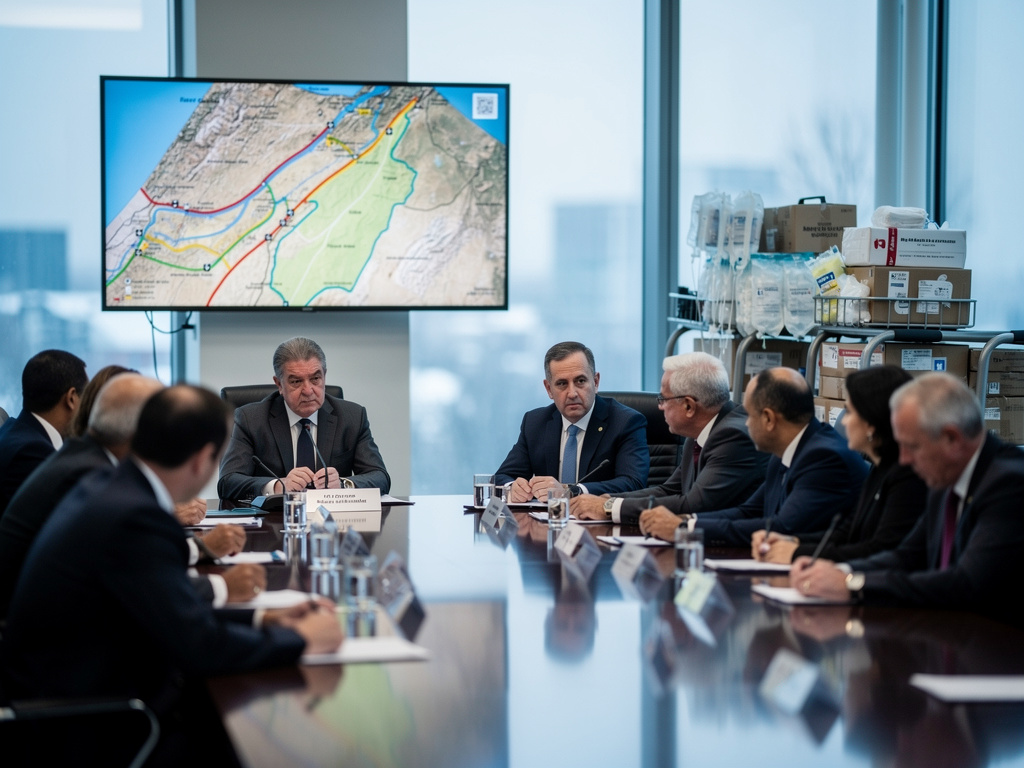
Gaza Ceasefire Violations Persist Amid Violent Clashes
The Gaza ceasefire has been punctured by ongoing violations as Israeli forces killed at least two Palestinians in Shujayea district of eastern Gaza City. Cumulative casualties since the ceasefire began on October 10 total more than 70,937 killed and about 171,192 wounded, with authorities reporting 875 breaches to date. Humanitarian access remains constrained as aid deliveries lag far behind the agreed rate—roughly 244 trucks daily versus the 600 allowed—while hundreds of thousands are displaced and winter storms complicate relief efforts; UN agencies and aid groups call for lifting restrictions and expanding shelter materials.
Background & Context
Since 2023, Gaza has endured a blockade and repeated Israeli military operations that have strained its healthcare system, depleted essential medicines and equipment, and severely restricted access for humanitarian aid, creating a precarious humanitarian situation as winter approaches and infrastructure remains damaged, hindering vaccination campaigns, water provision, electricity supply, and the delivery of critical relief to civilians. The October 2023 war, followed by a US-brokered gaza ceasefire, has shaped how aid flows, where civilians can seek shelter, and what security arrangements might accompany relief efforts, yet access remains limited and contested by all sides, with aid corridors intermittently disrupted and international actors—including the United Nations, the ICRC, and Gaza's authorities—carrying out monitoring, diplomacy, and relief coordination. International humanitarian norms call for humane treatment of detainees and unfettered aid access, and the ceasefire framework has sought to translate those norms into concrete measures—shelter, medicine deliveries, and potential governance arrangements—though ongoing violence, political sensitivities, and logistical hurdles keep relief efforts uneven and civilians exposed to shortages. The diplomatic effort involves Israel, Palestinian authorities in Gaza, and the United States, with engagement from the Gaza Government Media Office and broader international partners such as the UN and ICRC, as officials weigh governance options, stabilization mechanisms, and the best paths to sustaining shelter, water, and medical care for Gaza's population while balancing security considerations.
Key Developments & Timeline
October 10, 2025 — The US-brokered ceasefire comes into effect in Gaza, initiating a pause in hostilities and a framework intended to facilitate humanitarian relief, stabilization measures, and future negotiations across the Gaza Strip.
In the weeks following the ceasefire, tensions persist as violations are reported; Gaza authorities tally at least 875 breaches since the ceasefire began, illustrating ongoing challenges in adherence to the terms of the gaza ceasefire and the fragile path toward durable calm.
Casualties and injuries during the ceasefire period accumulate: cumulative fatalities reach at least 411 Palestinians killed and 1,112 wounded, while the Gaza war’s total fatalities since October 2023 exceed 70,937 with about 171,192 wounded, underscoring the persistent human cost despite the truce.
Humanitarian conditions deteriorate as hundreds of thousands remain displaced, with severe shortages of food, medicine, and shelter. Winter storms further complicate relief efforts and threaten vulnerable communities across the Gaza Strip and its five governorates.
Aid delivery under the ceasefire lags behind the agreed rate: roughly 244 trucks daily are reaching Gaza, compared with the 600 trucks allowed under the ceasefire. UN agencies and humanitarian groups urge lifting restrictions and scaling up relief to meet urgent needs.
December 22, 2025 — Israeli forces kill at least two Palestinians in Gaza City’s Shujayea district amid ongoing ceasefire violations; the UN reports persistent aid challenges and winter relief needs as the conflict continues within a broader context of blockade and years of hostilities in Gaza.
The broader context remains critical: the protracted blockade and two years of hostilities in Gaza continue to shape civilian safety, access to aid, and prospects for lasting peace, with international calls for restraint, accountability, and renewed humanitarian corridors to protect civilians.
Official Statements & Analysis
"Gaza Government Media Office said Israeli authorities had breached the ceasefire 875 times since it came into force; in the gaza ceasefire context, 'Over the past 24 hours, we have continued to receive reports of air strikes, shelling and gunfire in all five governorates of Gaza'; 'For the lifting of all restrictions of the entry of aid into Gaza, including shelter material' highlighting a persistent pattern of hostilities and a strong demand from humanitarian actors for unfettered relief access amid deteriorating winter conditions and rising displacement."
The ongoing breaches and air strikes reveal the fragility of the Gaza ceasefire and emphasize the critical need for credible enforcement, independent monitoring, and transparent reporting to shield civilians, sustain humanitarian corridors, and preserve some space for lifesaving relief operations despite a challenging security environment. The call to lift restrictions on aid entry, including shelter materials, signals an urgent winter relief imperative, as displaced households rely on tents, warmth, sanitation, and basic services to survive, while delays in shelter distributions heighten exposure to cold and disease. With aid deliveries still below potential capacity, international partners must mobilize to accelerate crossings, secure medical supply chains, and establish contingency routes that can withstand power outages, water shortages, and infrastructure damage, all while maintaining open channels with local authorities and aid workers to adapt to shifting risk profiles.
Conclusion
As the gaza ceasefire remains fragile, ongoing violations and constrained aid deliveries highlight the harsh toll on civilians in Gaza, where winter conditions intensify the demand for shelter materials, medicine, and basic services while hospitals struggle to maintain care amid shortages and power outages. International actors and aid groups warn that access restrictions and detainee concerns must be resolved to ensure reliable relief; expanded humanitarian corridors, predictable deliveries, and clear protection of civilians are essential to prevent further displacement and to support health services and shelter programs across affected governorates. The outlook hinges on renewed access and strict adherence to ceasefire terms, offering a pathway toward gradual relief and infrastructure restoration; however, if restrictions persist, humanitarian conditions could worsen, making winter resilience, sustained water and sanitation services, and uninterrupted medical supply chains the defining tests for both civilians and the broader regional response. Sustained international attention and coordinated relief efforts will be essential to translate this into tangible improvements on the ground, ensuring ring-fenced aid, winter-ready shelter, and durable commitments that protect civilians as the region seeks stability.
Gorilla Tape – Stronger than regular duct tape — Gorilla Tape holds fast in the worst conditions.
Document Holders – Keep legal docs, IDs, and maps safe from fire and water.
Related: Trump Lifts Sanctions on Syria Signaling New US Foreign Policy
Related: Geneva Talks Advance Revised US Peace Plan in Russia Ukraine War