
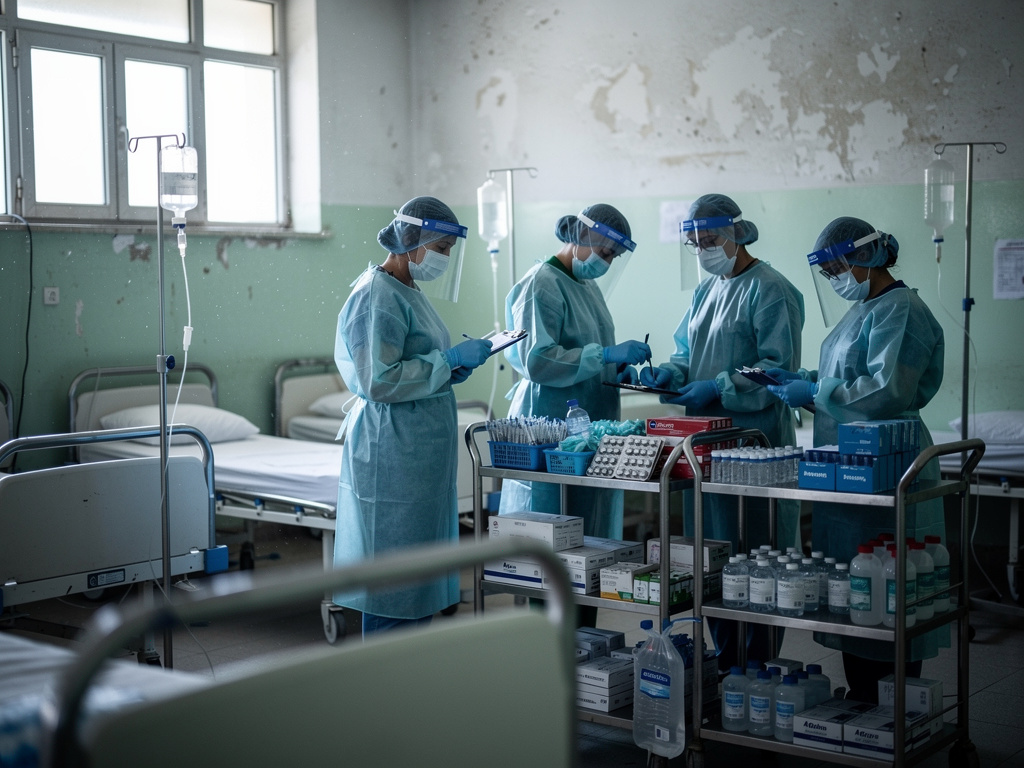
Gaza Ceasefire Strains Health System Amid Shortages
Gaza’s Health Ministry appealed for urgently needed medicines, medical consumables, and laboratory equipment as shortages deepen amid the blockade and ongoing conflict. The International Committee of the Red Cross says access to Palestinians detained by Israel remains blocked since October 2023, posing humanitarian-law concerns and limiting family contact. With casualties mounting—over 70,000 Palestinians killed and more than 171,000 wounded—the health system faces strain even as six detainees released for medical treatment arrived at Gaza hospitals across Gaza's hospital network, and aid groups press for better detainee access and relief as winter approaches; aid agencies warn the situation could worsen without faster deliveries.
Background & Context
Gaza has endured a blockade and ongoing hostilities since 2023, a combination that has driven a deteriorating healthcare system, persistent shortages of essential medicines and equipment, and severely restricted access for humanitarian aid organizations trying to reach vulnerable communities; as winter approaches, damaged infrastructure complicates disease prevention, electricity supply, and basic service delivery, amplifying the daily suffering of civilians in the Gaza Strip. Ceasefire arrangements, framed as a multi-stage process, are designed to reconcile immediate relief with longer-term governance and security considerations; the October gaza ceasefire deal led to detainee releases, and ongoing humanitarian diplomacy—through international organizations and regional partners—aims to translate those commitments into practical relief measures that ease access and rebuild trust. International humanitarian norms require humane treatment of detainees and unimpeded aid access, yet the current environment shows how fragile those norms are when aid corridors face restrictions, winter weather hinders mobility, and damaged infrastructure curtails vaccination campaigns, water provision, and other essential services for civilians in Gaza. The situation underscores the intersection of humanitarian and security challenges in the region, with ongoing monitoring and diplomacy intended to preserve civilian protections and expand relief, while evaluating governance proposals, potential stabilization mechanisms, and the role of international actors in coordinating relief and reconstruction for Gaza's population.
Key Developments & Timeline
- October 2023 — Under the Gaza ceasefire framework, about 1,700 Palestinian detainees were released from Israeli detention, and six detainees arrived for medical treatment in Gaza hospitals. Gaza’s Ministry of Health appealed for increased drug supplies, medical consumables, and laboratory equipment amid severe shortages; rights groups note many detainees were held without clear legal procedures, while more than 10,000 remain imprisoned. This period highlighted the human dimension of the gaza ceasefire and the pressing needs of health facilities in Gaza.
- Since October 2023 — The International Committee of the Red Cross (ICRC) has not been granted access to Palestinians detained in Israeli custody, despite humanitarian law requiring humane treatment and regular family contact. The lack of access has complicated monitoring of detainee welfare and raised questions about compliance with international humanitarian norms during a volatile security situation surrounding Gaza.
- Late 2023 to present — Civil Defence rescue operations included the recovery of five people (including a child and two women) from a collapsed roof in Sheikh Radwan; four others died in the incident. This event illustrates ongoing civilian risk in urban areas amid continued hostilities and disrupted infrastructure, underscoring the fragile safety environment for residents.
- Since October 2023 — Casualties continue to mount: Gaza’s health authorities report more than 70,000 Palestinians killed and over 171,000 wounded in attacks linked to the conflict, reflecting the devastating humanitarian impact on families, hospitals, and the broader health system in the region.
- Ongoing context — The humanitarian crisis persists alongside continued attacks and a volatile security environment, with limited access for aid and medical supplies. International concern remains high, with calls for humanitarian corridors, civilian protection, and accountability as living conditions in Gaza and neighboring areas deteriorate and relief efforts face significant obstacles.
Official Statements & Analysis
Gaza’s Ministry of Health has appealed for increased drug, medical consumables and laboratory supplies, warning of severe shortages, a development that underscores how medical systems are strained by blockade and conflict and highlights the urgent need for uninterrupted humanitarian access to preserve life-saving care, even as winter approaches within the broader gaza ceasefire framework. The ICRC says "it has not been granted access to Palestinians held in Israeli detention since October 2023, warning that international humanitarian law requires humane treatment and family contact," a gap that complicates accountability, hampers monitoring of conditions in detention, and raises broader concerns about compliance with international norms.
About 1,700 detainees were released in October under the ceasefire deal, a figure that signals some progress within a broader agreement while illustrating remaining detentions and ongoing questions about legal procedures and transparency under international scrutiny, particularly regarding medical treatment for released detainees. The roof collapse killed four people, according to Gaza’s Ministry of Interior and National Security, an incident that starkly demonstrates ongoing vulnerabilities in housing and infrastructure and cascading risk for civilians amid densely built urban areas and intermittent power or supply disruptions. More than 70,000 Palestinians have been killed, and more than 171,000 wounded in attacks in Israel’s war on Gaza since October 2023, a toll that reinforces the imperative for durable conflict resolution, sustained humanitarian relief, and robust monitoring to prevent further civilian harm.
Conclusion
In Gaza, severe shortages of medicines, medical consumables, and laboratory supplies amid the blockade highlight the humanitarian toll of the conflict and stress the resilience of local health systems as civilians struggle to access essential care, even as discussions about a gaza ceasefire continue. International actors, including the ICRC, warn that detainee access and broader relief channels remain major constraints, with a recent building collapse underscoring the ongoing risks to civilians, hospitals, and critical infrastructure, as calls for accountability grow louder globally and detainee releases are prioritized. The core takeaway is that relief will hinge on improved aid access, detainee releases, and concrete arrangements to address medical needs and infrastructure restoration, while safeguarding predictable delivery through expanded humanitarian corridors, and ensuring rapid triage and potential vaccine access where possible for civilians (where feasible). Looking ahead, the outlook depends on sustained humanitarian access, policy advances to secure health services, and a broader effort to stabilize medical supply chains and critical infrastructure, offering a path toward relief that endures even as the conflict continues and recovery efforts begin to take hold.
Tarp Systems (Heavy Duty) – Roof it, wall it, wrap it — survival tarps are endlessly versatile.
Biohazard Suits – Protect yourself from biohazards — browse disposable suit options.
Related: Escalating Tensions: U.S. Direct Talks with Iran and Military Readiness
Related: Tensions Rise as Global Powers Warn of Potential WW3 Over Iran Nuclear Threats