
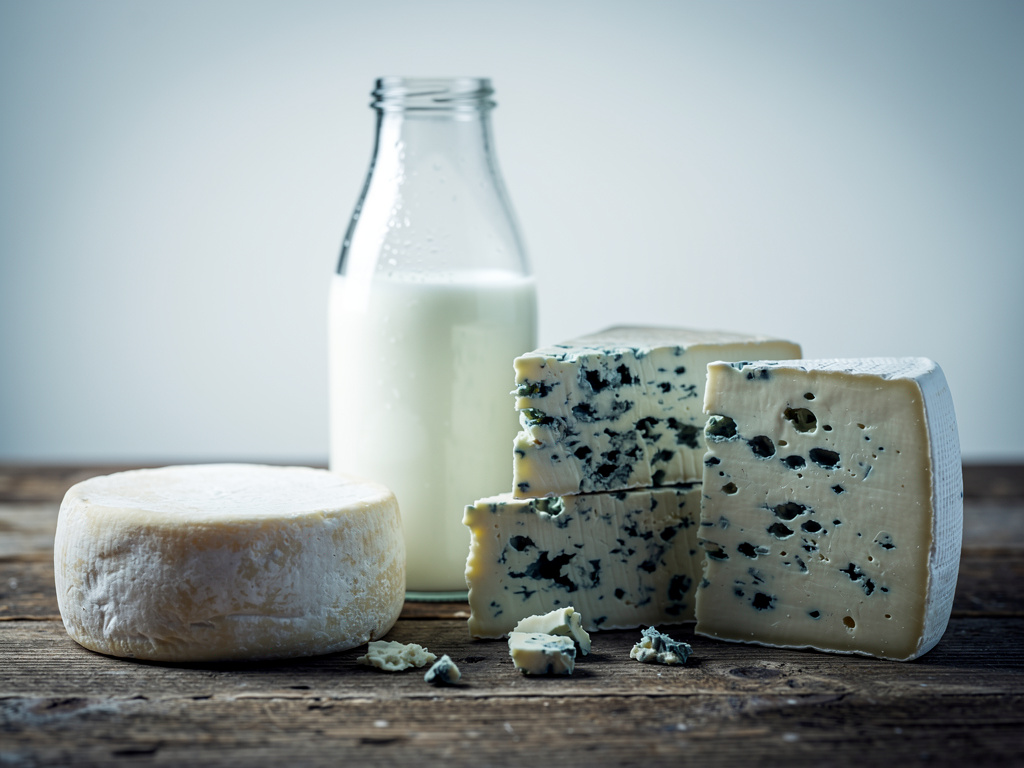
China Imposes Provisional Dairy Tariffs on EU Imports
China has imposed provisional anti-subsidy duties on EU dairy imports as part of china tariffs-related measures, with tariffs ranging from 21.9% to 42.7% and most shipments around 30%. The measures apply to milk and cheese products, including protected-origin brands such as Roquefort (France) and Gorgonzola (Italy), and affect about 60 companies, among them Arla Foods and FrieslandCampina, with country-specific rates including Sterilgarda Alimenti SpA at 21.9% and FrieslandCampina at 42.7%. The decision remains provisional and could change after a final ruling, drawing EU criticism while China says dairy imports were subsidised and harming Chinese producers amid ongoing trade tensions and spillover effects.
Background & Context
The current friction between China and the European Union centers on a 2023 EU anti-subsidy investigation into Chinese-made electric vehicles, a move that prompted Beijing to retaliate with tariffs on a range of EU goods—reaching into sectors such as dairy, brandy, and pork—an escalation that many observers see as part of a broader pattern of policy responses in the evolving china tariffs dynamic. The dispute sits within a wider debate over subsidies, industrial policy, and market access, feeding a narrative sometimes described as a trade war with china by some policymakers, even as both sides emphasize dialogue and the maintenance of economic ties. In the dairy sector, provisional tariffs cover roughly 60 companies, including Arla Foods; the lowest rate is 21.9% for Sterilgarda Alimenti SpA, while the 42.7% ceiling applies to FrieslandCampina Belgium NV and FrieslandCampina Nederland BV, and China imported approximately $589 million worth of the affected dairy products in the year prior to the tariffs. Diplomatic engagement has continued, with negotiations on the bloc’s EV tariffs resuming earlier this month through channels involving MOFCOM and the European Commission, yet authorities have not announced a settlement and indicate that substantive issues—around subsidies, state support, and access to Chinese or European markets—remain unresolved, keeping the bilateral relationship in a cautious, stall-speed phase.
Key Developments & Timeline
2023 — The European Union launches an anti-subsidy investigation into Chinese-made electric vehicles, triggering a broader pattern of trade frictions between Brussels and Beijing. The move intensifies the debate around china tariffs and industrial subsidies, signaling a shift toward potential duties if subsidies are deemed to distort competition. The investigation raises questions for automakers, suppliers, and policymakers about future market access, investment plans, and the overall trajectory of EU–China economic relations in the EV sector.
Ongoing — EU–China talks on EV tariffs resume, as negotiators in Brussels and Beijing revisit the framework for potential duties and regulatory remedies. As of the report, there is no public resolution, underscoring the persistent sensitivity of tariff policy and subsidy rules in the bilateral relationship. The discussions reflect a high-stakes attempt to balance protecting domestic industries with maintaining market access, while signaling that any agreement may require concessions on timing, scope, and enforcement mechanisms within the broader trade war with china context.
Dec 22, 2025 — China announces provisional anti-subsidy duties on certain EU dairy imports, marking a notable extension of tariff measures beyond the EV sector. The rates span from 21.9% to 42.7%, with most around 30%, affecting roughly 60 companies. For example, Sterilgarda Alimenti SpA (Italy) faces 21.9%, while FrieslandCampina Belgium/Nederland faces 42.7%; Arla Foods is also listed among affected firms. The tariffs cover milk and cheese, including protected-origin brands such as Roquefort (France) and Gorgonzola (Italy). The decision is provisional and could be revised after a final ruling, triggering official diplomacy responses and market recalibrations in global dairy supply chains.
Dec 23–24, 2025 — Tariffs are set to take effect on the following business day, with the final ruling to be issued later. This development is expected to perturb global dairy markets, prompting exporters to reassess pricing, contract terms, and logistics while supply chains adapt to the new cost signals. Diplomatic channels remain open, but major issues reportedly persist as EU–China discussions continue to address broader tariff measures and their implications for both sides’ agricultural and industrial sectors.
Official Statements & Analysis
In the context of china tariffs on EU dairy imports, European Commission spokesperson Olof Gill said: "the commission’s assessment is that the investigation is based on questionable allegations and insufficient evidence, and that the measures are therefore unjustified and unwarranted." China’s Ministry of Commerce stated that "EU dairy imports were subsidised and hurting Chinese producers." These statements underscore a bilateral clash over market support and the basis for duties, with the EU arguing the charges lack solid evidence and China insisting subsidies distort its market.
Tariffs are provisional and range from 21.9% to 42.7%, with most shipments around 30%, applying to milk and cheese, including protected-origin brands such as Roquefort and Gorgonzola. Some 60 companies are affected, including Arla Foods, with country-specific rates like Italy's Sterilgarda Alimenti SpA at 21.9% and FrieslandCampina Belgium/Nederland at 42.7%. The measures could be revised after a final ruling. This development fits a longer pattern of China–EU trade frictions since 2023 and may trigger price volatility in china tariffs and encourage Chinese buyers to diversify supplies, influencing the broader trade war with china dynamics and regional dairy markets.
Conclusion
China's provisional anti-subsidy duties and china tariffs on EU dairy imports are in place, with tariffs ranging from 21.9% to 42.7% and a typical impact near 30%, covering milk and cheese including protected-origin brands such as Roquefort and Gorgonzola, and affecting about $589 million in shipments. The measures implicate roughly 60 companies, with country-specific rates like Italy’s Sterilgarda Alimenti SpA at 21.9% and FrieslandCampina Belgium/Nederland at 42.7%, a development that could inject price volatility and prompt regional diversifications in supply chains as buyers seek non-EU alternatives. Looking ahead, the final ruling will determine whether these provisional duties are upheld or revised, while negotiations on broader issues—especially in the context of a china trade war—could shape future operations and tariff dynamics; what are the tariffs on china may become a focal question for policymakers and industry as stakeholders monitor possible concessions or reciprocal measures. For businesses and policymakers, the takeaway is clear: vigilance on tariff policy and supply chain resilience will be as important as ever, as these moves can influence consumer prices, regional dairy markets, and the tone of future diplomacy.
Headlamps – Work, move, and navigate hands-free — check out durable headlamps.
Binoculars with Night Vision – See threats at night — check battery-powered night-vision optics for preppers.
Related: U.S. Approves $1.4 Billion Military Sales to Saudi Arabia
Related: Israel Resumes Air Strikes on Gaza, Violating Ceasefire