
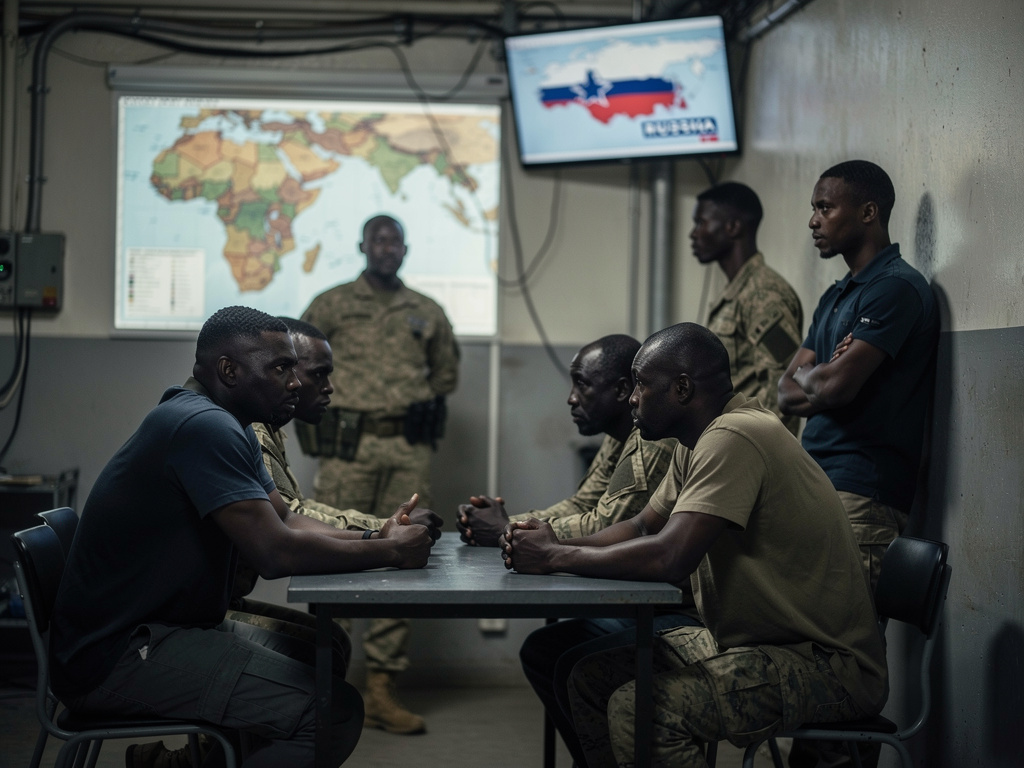
African recruits misled to Russia to fight in Russia-Ukraine war
In the Russia Ukraine war, about 20 African men, including individuals from South Africa and Botswana, were lured to Russia under the pretense of security training and sent to fight in Ukraine. France 24 identifies alleged recruiters such as Duduzile Zuma-Sambudla, with five suspects arrested and a letter from former president Jacob Zuma urging Russia to withdraw and reassign the trainees. Investigations indicate some recruits, including Moses and his cousin, may have reached combat zones or remained unaccounted for, according to Russia war news outlets, while authorities probe possible links to Wagner-linked private security networks.
Background & Context
- In the context of the Russia Ukraine war, South Africa’s private security sector is notably large, with tens of thousands of companies and guards, creating a landscape where recruitment networks can intersect with mercenary activity and foreign combat involvement, including widely reported Wagner-related activity in Africa.
- The case centers on allegations involving a high-profile political family member’s circle, raising questions about recruitment networks, cross-border influence, and the use of private security or mercenary-linked structures to facilitate foreign combat participation.
- These dynamics unfold against a backdrop of the ongoing Russia–Ukraine conflict, where international diplomacy and domestic politics intersect with security investigations and the presence of Wagner-affiliated activity in Africa informs observers about cross-border influence and security concerns.
- On the diplomacy side, Jacob Zuma sent an urgent letter to Russian Defence Minister Andrei Belousov requesting withdrawal of the men and reassignment to non-combat roles; the source notes no formal peace talks are described in the materials provided.
- Countries involved in the case are South Africa, Botswana, Russia, and Ukraine, reflecting a regional and international dimension to the investigation and its geopolitical implications.
- Key actors mentioned include Moses (recruit), Sello (father), Duduzile Zuma-Sambudla (alleged recruiter), Blessing Khoza (alleged recruiter), Siphokazi Xuma (alleged recruiter), Jacob Zuma (former president), the MK Party (uMkhonto weSizwe), Wagner Group / Africa Corps, and Ukraine’s ambassador to South Africa, with the matter proceeding at Kempton Park Magistrate’s Court in Gauteng.
- This case sits at the intersection of criminal recruitment networks and the ongoing Russia–Ukraine conflict, illustrating how international diplomacy and domestic politics can shape investigations into foreign combat involvement and security-sector dynamics.
Key Developments & Timeline
-
July 8, 2025 — Moses and other South African nationals travel to Russia under the pretext of advanced military training. This initial step marks a notable development in the broader Russia Ukraine war narrative, as cross-border recruitment and training activities begin to surface. The move raises questions about oversight within the South African security landscape and the potential for trainers or recruits to become entangled in foreign conflict dynamics tied to the Russia Ukraine war.
-
July 28, 2025 — Return tickets are dated, yet reports indicate the men did not return to South Africa. This development suggests a deviation from the expected training program and hints at possible involvement in activities in or around Russia connected to the Russia Ukraine war, highlighting risks associated with international recruitment schemes.
-
August 28, 2025 — The father communicates that Moses and his cousin claim they are being forced into a war zone. The accounts raise concerns about coercion and manipulation within recruitment efforts linked to the Russia Ukraine war, underscoring the human impact and legal questions surrounding foreign combat involvement from African recruits.
-
September 19, 2025 — Former President Jacob Zuma writes to Russian Defence Minister Belousov requesting withdrawal and transfer of the men. This high-level diplomatic note signals cross-border negotiations over the fate of the trainees within the wider context of the Russia Ukraine war and regional security considerations affecting South Africa’s role.
-
December 15, 2025 — South African presidency reports no new developments; Ukraine expresses willingness to assist, but the case remains primarily under SA jurisdiction. The status update reflects ongoing investigations amid the Russia Ukraine war environment, with international interest yet limited direct involvement beyond diplomatic outreach.
-
December 21, 2025 — France 24 publishes a report on the ongoing investigations. The media coverage highlights international scrutiny of recruitment networks and their potential connections to the Russia Ukraine war, shaping public understanding and prompting ongoing diplomatic and security discussions.
-
February 10, 2026 — A trial date is set for five suspects at Kempton Park Magistrate’s Court in Gauteng, marking a formal legal proceeding in a cross-border recruitment case tied to the Russia Ukraine war. The development underscores rising accountability and the domestic legal processes challenging transnational recruitment and private security networks.
Official Statements & Analysis
The statements from families and observers highlight the human cost and security risk embedded in cross-border recruitment amid the Russia Ukraine war. Individuals lament, "I just want my son"; "They never came back"; and "Some say they are dead. Others say they are alive," underscoring how families grapple with disappearances and uncertainty. The reports also note that "They were wearing uniforms bearing an insignia associated with units aligned with Wagner mercenaries," a detail that points to possible mercenary links complicating legal exposure and safety considerations for those recruited. Taken together, these quotes illustrate civilian distress and the potential for coercion within private security ecosystems involved in overseas fighting, a concern echoed in ongoing international security discourse.
According to France 24, about 20 African men — including individuals from South Africa and Botswana — were misled into traveling to Russia under the guise of "advanced military training" and were sent to fight in Ukraine, raising the Russia Ukraine war latest update in terms of recruitment risks. Investigations have identified alleged figures such as Duduzile Zuma-Sambudla, with five suspects arrested and a trial date set for 10 February at Kempton Park Magistrate's Court (Gauteng). Some recruits reportedly never returned, and communications suggest deployment to combat zones; a letter from former president Jacob Zuma urged withdrawal and reassignment of the trainees. The case signals potential links to Wagner-linked units and highlights broader concerns about mercenary networks affecting regional diplomacy, safety, and accountability.
Conclusion
In the Russia Ukraine war, reports that about 20 African men were misled into traveling to Russia under the pretense of advanced military training and deployed to Ukraine highlight the risks of cross-border recruitment and mercenary networks that threaten safety and legal exposure for families. Authorities warn to verify travel arrangements and contracts that mention training or security roles, and to monitor credible advisories, to avoid becoming entangled in coercive recruitment that could lead to forced combat and international diplomatic strains. The outlook notes that investigations are ongoing, with potential repatriation or legal action against recruiters, while some recruits may remain overseas or deployed depending on negotiations and rulings, which could influence future security policies and private security oversight across involved regions. This evolving situation reinforces the need for vigilance in global security and may shape future operations, international cooperation, and debates around mercenary involvement in armed conflicts within the broader context of the Russia NATO tensions and the Russia military posture.
Fanny Packs / EDC Pouches – Stay organized and agile — find compact pouches for daily carry.
Multitools & EDC – Be ready for anything — check out trusted multitools for everyday carry.
Related: EU Trade Tension Over Chinese Electric Vehicles Escalates
Related: Ukraine US Sign Landmark Minerals Deal Amid Eastern Conflict